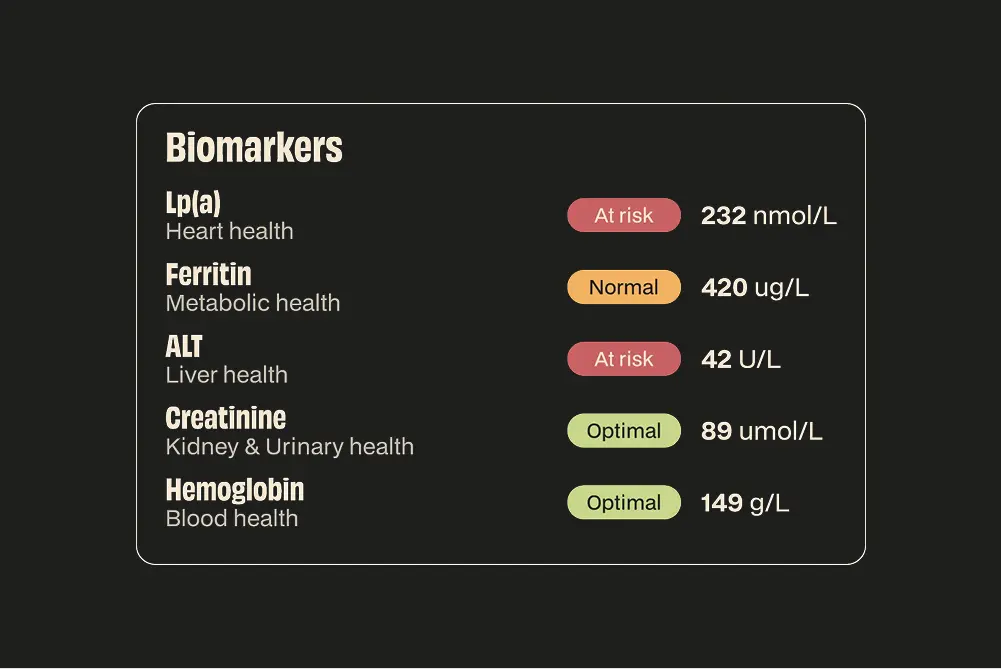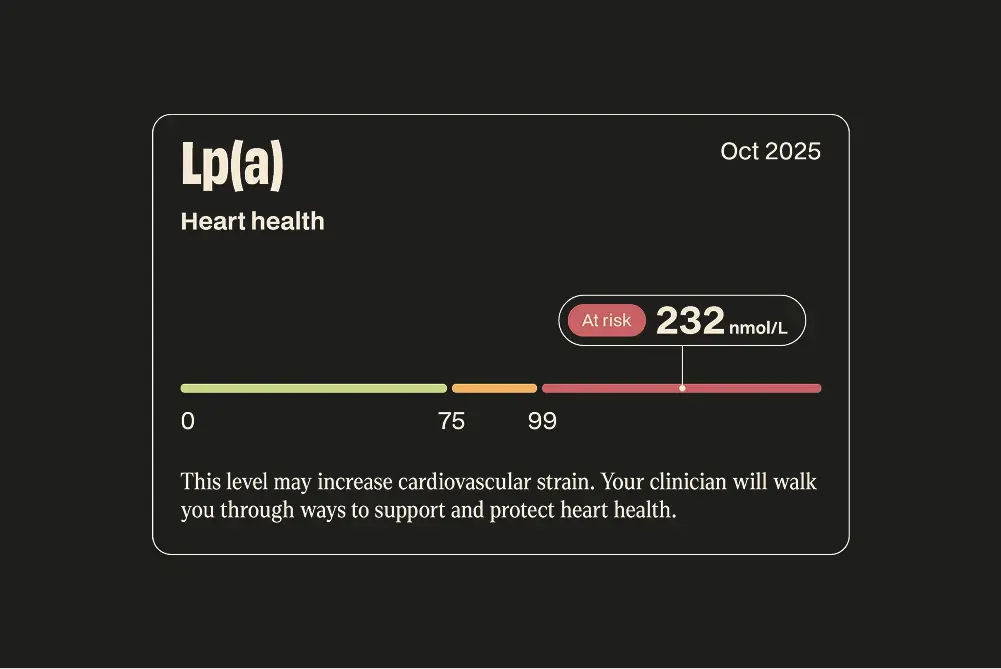
When tests of an analyte are repeated, there are a number of reasons why serial results may differ. A changing result may reflect true progression or improvement of a disease (or risk factor), or it could reflect random analytical variation (e.g. analytical imprecision) or intra-individual biologic variation (e.g. around an individual’s own biological setpoint).
Calculation of a reference change value (RCV) can determine if a change in an analyte concentration (absolute delta or % delta) on serial measurement is likely to be due to random variation within the patient or the measurement (Jones et al., 2024). The RCV calculation (available here) takes into account both analytical variation (CVa) and intraindividual variation (CVi) for a given analyte. If the difference between two serial results exceeds the RCV, it is likely to be clinically relevant. If the difference is less than the RCV, then the variation is likely to be related to biological and analytical variations and not considered clinically significant (Timbrell, 2024).
RCVs are only available for biochemical tests. For some other tests (e.g. DXA), least significant change (LSC) values and minimal clinically important differences (MCIDs) are reported.
NiaHealth approach to RCVs
NiaHealth does not currently report RCVs in the user dashboard, but they may be calculated by the clinical team on a case-by-case basis where a significant change in a result may alter recommendations and management.
Our research standards & process
At NiaHealth, we do not make decisions first and look for evidence later. The entire process — from which tests we offer, to how we interpret results, to the recommendations we make — is grounded in clinical evidence from the ground up. Our research team is continually reviewing the literature to make sure the information we provide reflects current medical evidence. And frankly, we don’t think “trust us” should be the standard here. We think you should be able to see the process for yourself. Learn more here.