We're not replacing your doctor.
We're filling the gaps.
We do the deep, preventive testing that most checkups miss.
Test 60+ biomarkers linked to fatigue and mood with personalized clinician guidance targeting burnout recovery

Find out what your body has really been trying to tell you

Understand which nutrients, hormones, and systems are under strain
Test biomarkers linked to mood, fatigue, irritability, anxiety
Learn how metabolism and sleep may be sabotaging your energy
Discover small, evidence-based actions to feel the difference
Common biological drivers of burnout*
Low ferritin or iron
Fatigue, anxiety, brain fog
Low vitamin D
Low mood, reduced motivation
High TSH / Low T4
Fatigue, depression
Low TSH / High T4
Anxiety, irritability
Low B12
Depression, low energy
Low testosterone (men)
Fatigue, low mood
Fluctuating estrogen (women in perimenopause)
Mood swings, irritability
High A1C / unstable glucose
Energy crashes, brain fog
High calcium
Anxiety, cognitive fog
Our plan provides a comprehensive look with a signature virtual clinician consult to help you get back to your best
Includes:
Don't wait for symptoms. Know and reverse risk years in advance.
Uncovered a hidden risk that was actionable
Detected genetically linked heart disease risk
Reversed early signs of diabetes within a year
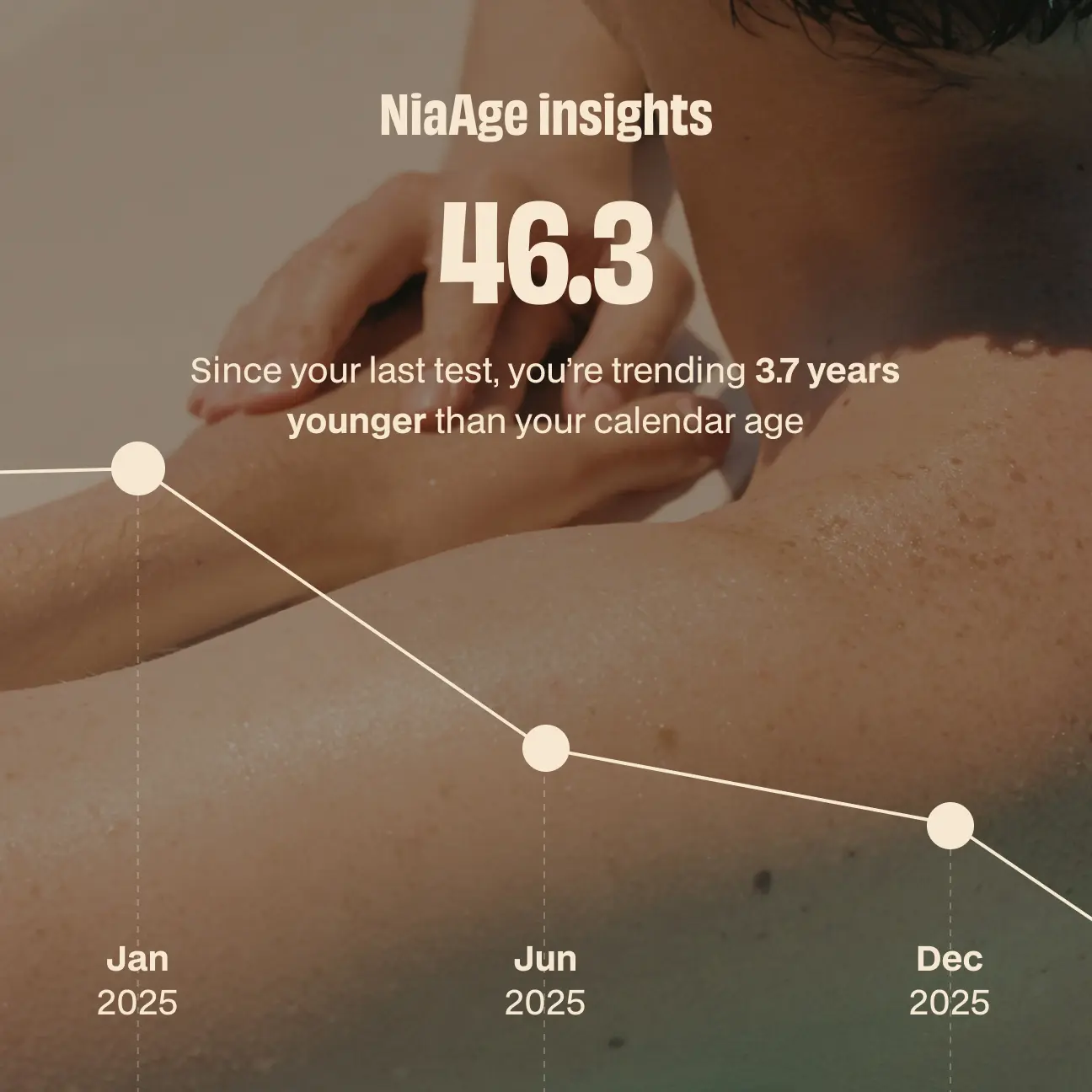
Improved their biological age within a year
Hyper-personalized guidance from Canadian clinicians—add life to your years, and years to your life

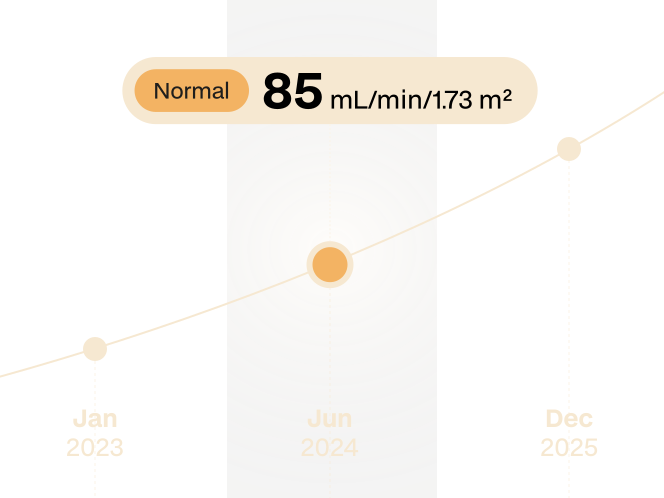

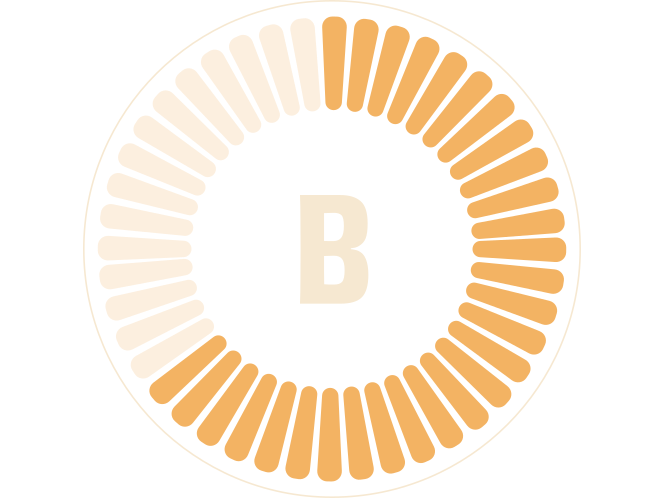

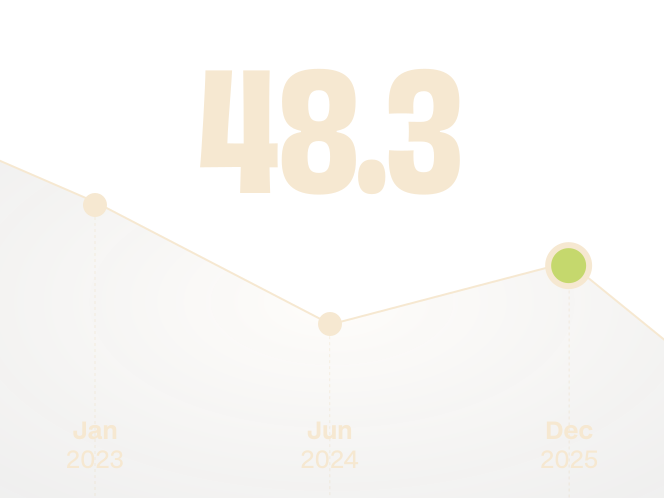
Your LDL-c is suboptimal for your age and gender, and with your family history, it's key to take steps to reduce your risk. Here is your action plan.

Health advice without the jargon or judgement—just simple, science-backed clarity that actually works
Advanced testing of over 150 biomarkers with results in 7 days or less. Convenient options for at-home or in-clinic blood collection.
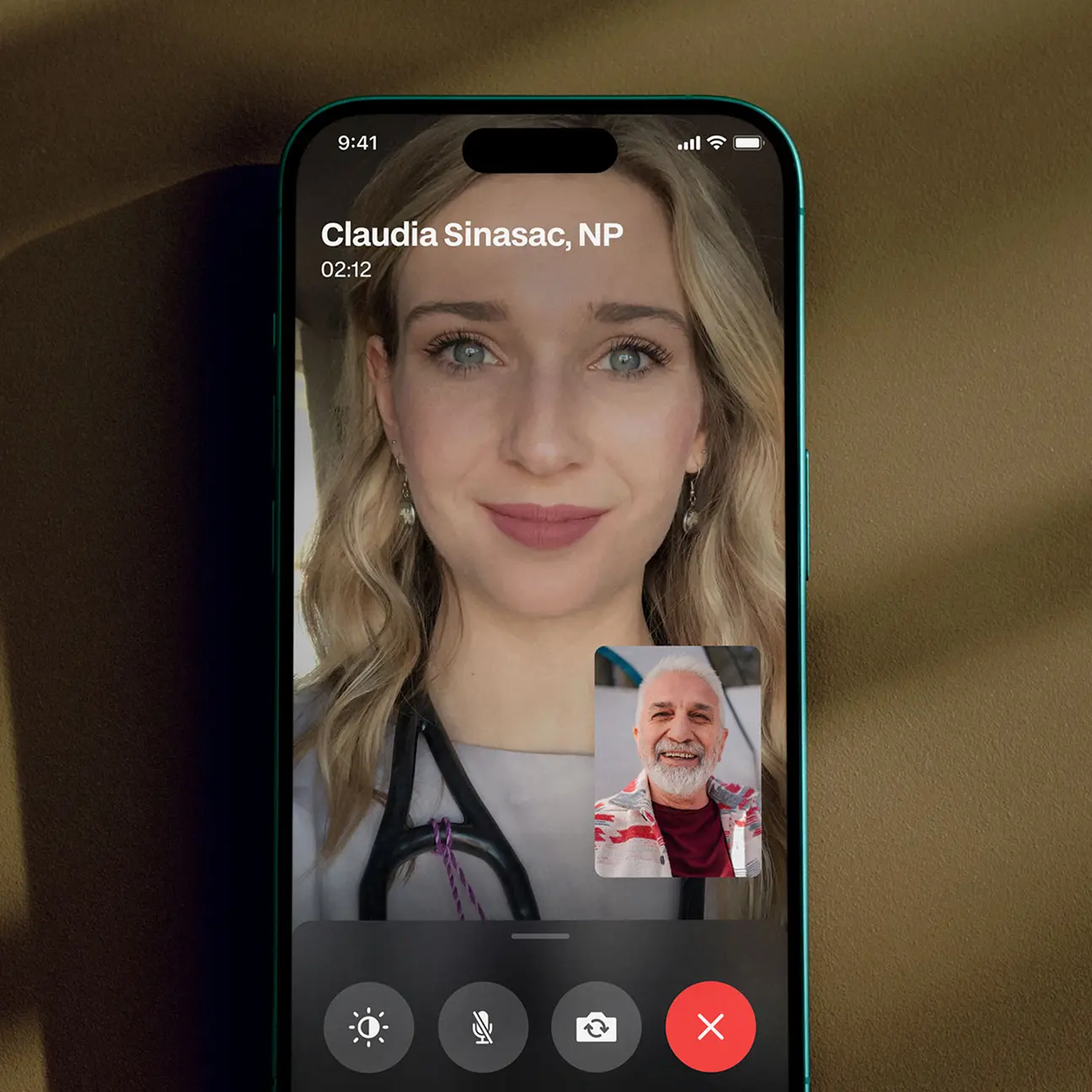
Get your hyper-personalized action plan handwritten by a Canadian clinician (not generic AI). Unrushed, shame-free 1:1 virtual consultations available any time.
Test again each year with your clinician by your side. Integrate your wearables and health apps for deeper insights. Explore demo dashboard →
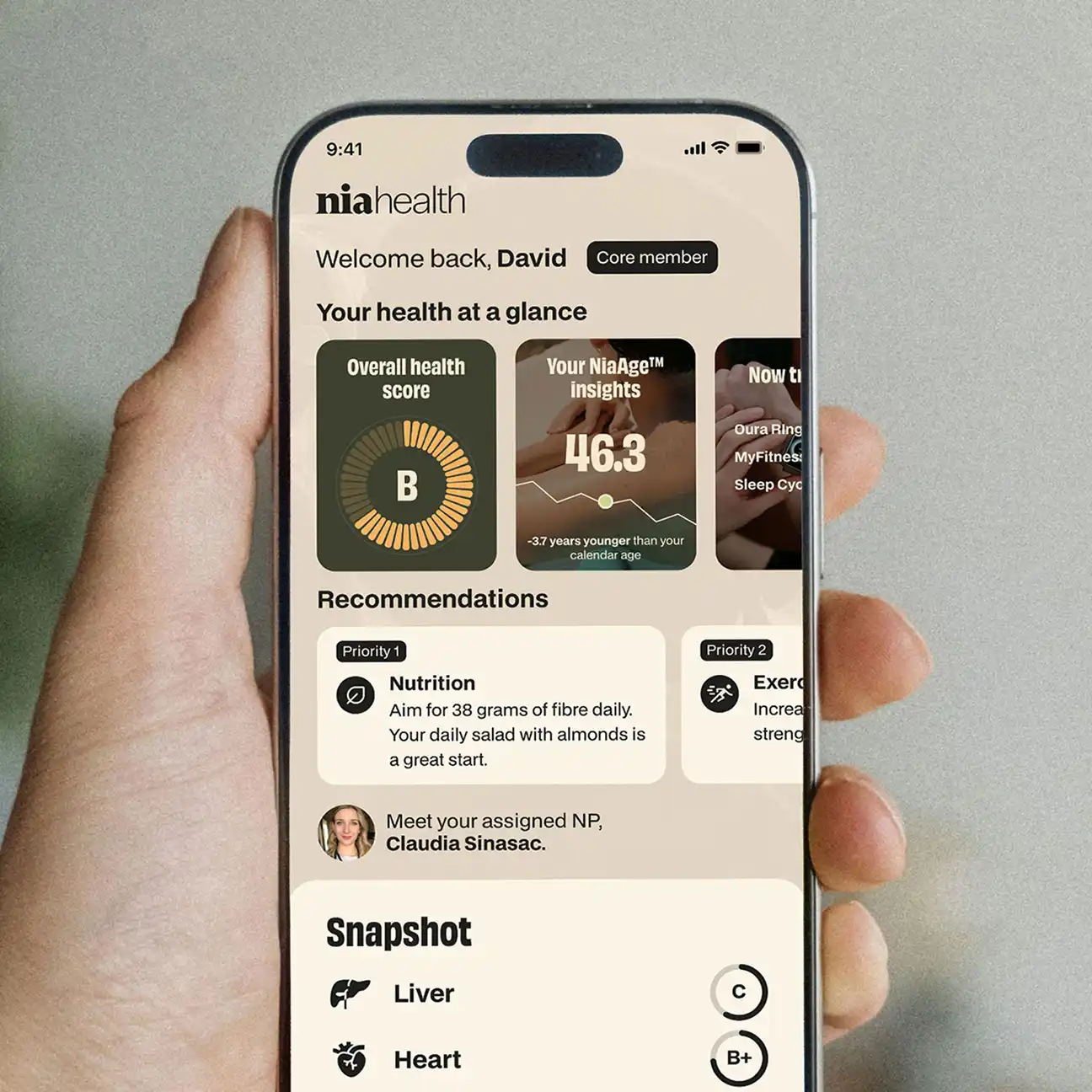
We do the deep, preventive testing that most checkups miss.
NiaHealth currently operates in Alberta, British Columbia, Manitoba, New Brunswick, Newfoundland and Labrador, Nova Scotia, Ontario, Prince Edward Island, and Saskatchewan.
No - we do not prescribe medication. However, we do provide, where applicable, suggestions. For interventions (including medications and supplements), we include a note of suggestions that you can discuss with your current medical team. Prescriptions are left to their discretion.
We offer advice to enhance your current health state, emphasizing prevention through exercise, nutrition, sleep, and emotional well-being but not medical management of existing illness. If we discover any incidental health issues, we provide suggestions for discussion with your primary care provider. While our suggestions impact overall health and various chronic conditions, comprehensive medical management of existing illnesses remains the responsibility of your current medical team.
It isn't an absolution you cannot do NiaHealth for one year after pregnancy. Here is the nuance: NiaHealth isn’t designed for use during pregnancy as pregnancy brings big changes to your hormones, metabolism, and other body systems. These shifts make it hard to interpret biomarker data accurately. During pregnancy, your healthcare team is the best source for lab testing—they’ll focus on the specific markers that reflect the health of both you and your baby.
It is your choice as to when you have your next NiaHealth draw after pregnancy. After birth, your body goes through a recovery phase often called the “fourth trimester.” During this time, your hormones and metabolism gradually start returning toward their usual patterns. Many people notice things begin to stabilize around three months postpartum, though everyone’s timeline is a bit different.
If you’re breastfeeding, your body will continue to experience changes. Because of this, it can take longer for your system to fully settle. Between about three months and up to a year after delivery, your results from any biomarker-based health tools—including NiaHealth—can still fluctuate. By around one year postpartum, many people’s biomarkers are closer to their baseline, which makes results more reliable for understanding long-term health patterns.
No. NiaHealth does not sell your personal health information to third parties. NiaHealth has not and will not engage in the sale of personal health information for monetization purposes. If you have any questions, please review our Privacy Policy or reach out to our Chief Privacy Officer at privacy@niahealth.co.