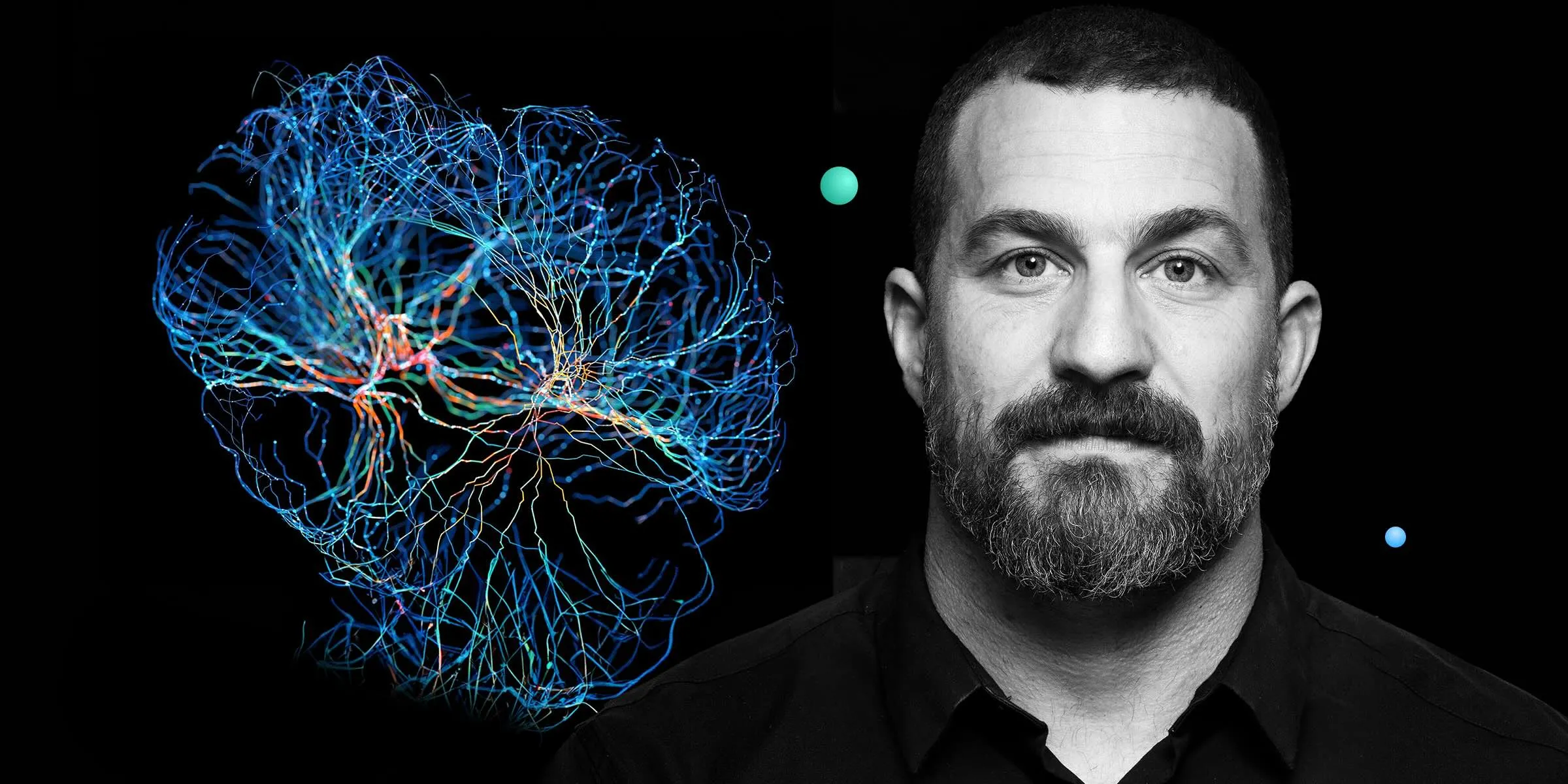
Have you ever wondered if it's possible to change your brain? Can you really rewire your thought patterns, habits, and behaviors? The fascinating field of neuroplasticity suggests that yes, you can! Dr. Andrew Huberman, a renowned neuroscientist and host of the popular Huberman Lab podcast, has been at the forefront of research on brain plasticity. Let's dive into neuroplasticity and how you can harness it to transform your mind.
Key Points:
- Neuroplasticity allows the brain to change and adapt throughout life, not just before age 25.
- Dr. Andrew Huberman's research shows that adults can rewire their brains with focused effort.
- Strategies include focused work sessions, deep rest practices, quality sleep, exercise, mindfulness, novelty, and visualization.
- Consistent application of these strategies can lead to significant personal growth and brain transformation at any age.
What is Neuroplasticity?
Neuroplasticity refers to the brain's remarkable ability to change and adapt throughout life. But how does neuroplasticity work? Imagine your brain as a vast network of connections. Every time you learn something new or have a novel experience, you're essentially creating a new path in this network. The more you repeat an action or thought, the stronger and more established this path becomes.This process isn't just metaphorical - it represents real, physical changes in your brain. New neural connections form, existing ones strengthen, and sometimes, less-used pathways may even be pruned away. This is how learning, memory formation, and even opinion changes occur at a biological level.
Does Neuroplasticity Stop at Age 25?
You might have heard that brain development stops in your mid-twenties. While it's true that the brain is more plastic in younger years, neuroplasticity doesn't come to a screeching halt at 25. Here's why:
- Young brains are like blank canvases: They have fewer established neural pathways, making it easier to form new connections.
- Adult brains are still adaptable: Even after 25, your brain can still change and grow. It just requires more focused effort.
- Lifelong learning is possible: Adults can continue to learn new skills, change attitudes, and form new habits throughout life.
So, can your brain still change as an adult? Well, can you learn a new instrument as an adult? Absolutely! While it might require more consistency and effort, brain changes in adults are entirely possible.
Studies from Huberman Lab
Andrew Huberman, a Stanford neuroscientist, has dedicated his career to understanding how our brains work and change. His research at the Huberman Lab has provided groundbreaking insights into neuroplasticity. Some key Huberman Lab neuroplasticity findings include:
- The role of focus in driving brain changes
- How stress and recovery cycles impact neuroplasticity
- The importance of sleep in consolidating new neural pathways
Rewiring Your Brain: The Huberman Approach
Based on his research, Huberman has developed several neuroplasticity tips to help people actively rewire their brains. Here are some key strategies from the Huberman approach:
- Leverage ultradian rhythms: Work in focused 90-minute blocks followed by short breaks to optimize learning and brain changes.
- Use "non-sleep deep rest" (NSDR): Practices like yoga nidra can enhance neuroplasticity by allowing the brain to consolidate new information.
- Prioritize quality sleep: Ensure 7-9 hours of sleep per night, as sleep is crucial for cementing new neural pathways.
- Engage in regular exercise: Physical activity promotes the growth of new neurons and enhances overall brain plasticity.
- Practice mindfulness: Regular meditation can increase gray matter and promote neuroplasticity.
- Embrace novelty: Expose yourself to new experiences regularly to stimulate brain plasticity.
- Visualize success: Mental rehearsal can strengthen neural pathways almost as effectively as physical practice.
Conclusion
Understanding and harnessing neuroplasticity can be a game-changer in personal development. By applying Andrew Huberman's neuroplasticity tips, you can actively participate in rewiring your brain. Remember, change is possible at any age - it just takes consistent effort and the right approach.Ready to start your brain transformation journey? Dive deeper into Huberman's work through his podcast or explore the wealth of scientific literature on neuroplasticity. Your brain's potential for change is waiting to be unlocked!
Our editorial standards & process
At NiaHealth, our mission is to make proactive health possible for all Canadians—by combining science with humanity. We believe that rigorous, evidence-informed health information should never feel out of reach. Every word we publish is intentional. We choose language that empowers rather than overwhelms, clarifies rather than complicates, and respects the lived experiences behind every health question. Learn more here.


.webp)