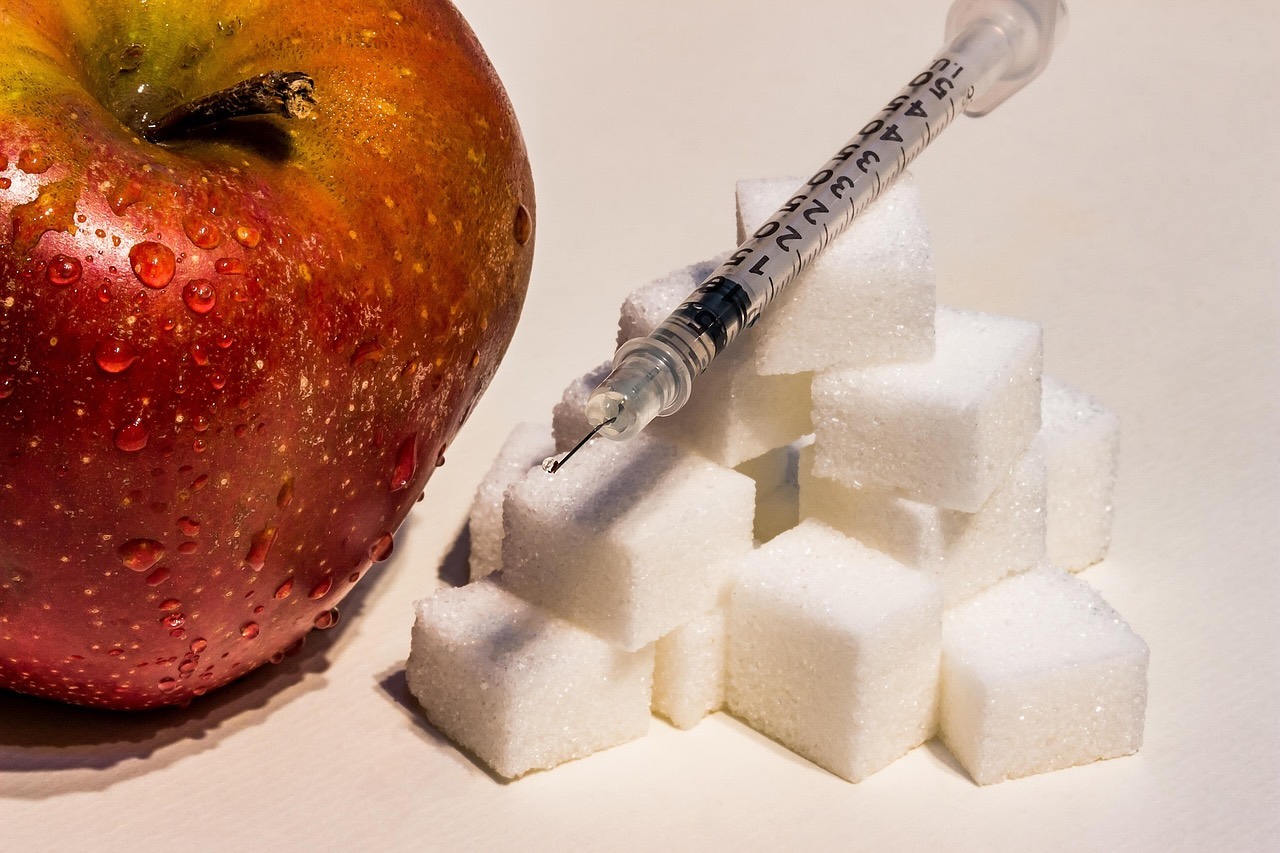
In my work as a women’s health nurse practitioner, I often see women in their late 30’s-50s struggling with subtle but significant changes in their metabolism. Insulin resistance — the body’s reduced ability to respond to insulin — frequently develops during this stage of life, long before diabetes develops. Over time, it can drive inflammation, weight changes, and increased disease risk, quietly accelerating the aging process (De Paoli et al., 2021; Feng et al., 2025; Petersen & Shulman, 2018). Recognizing and addressing insulin resistance early can support long-term metabolic health, vitality, and healthy aging (Petersen & Shulman, 2018).
What Is Insulin Resistance and Why It Matters for Aging
Insulin is a hormone that moves glucose from the bloodstream into cells so it can be used for energy. When energy intake exceeds energy expenditure, insulin signals the body to store the excess energy, primarily as fat. Over time, as fat stores expand, cells become less responsive to insulin. To compensate, the body produces more insulin to maintain normal blood sugar levels (Petersen & Shulman, 2018).
This condition, known as insulin resistance, can develop gradually and persist for years before blood sugar reaches the threshold for a diabetes diagnosis. Even when blood glucose isnormal, insulin resistance can have negative effects on multiple metabolic organs and pathways, including muscle, liver, fat, and even the brain (Petersen & Shulman, 2018).
At the cellular level, insulin resistance disrupts mitochondrial energy production, reduces metabolic flexibility, and increases oxidative stress — factors linked to inflammation, impaired glucose utilization, and accelerated biological aging (Feng et al., 2025). In other words, even subtle insulin resistance can impact healthspan and longevity.
Why Insulin Resistance Is So Common in Women
Perimenopause and menopause represent a perfect storm for insulin resistance. Several overlapping factors contribute:
Declining estrogen
Estrogen plays a key role in maintaining insulin sensitivity by regulating glucose and lipid metabolism across muscle, liver, and fat. In muscle, estrogen enhances glucose uptake, helping cells efficiently use sugar for energy. In fat tissue, it favors subcutaneous rather than visceral fat storage, supporting healthier body composition (De Paoli et al., 2021).
As estrogen declines during menopause, these protective effects fade: glucose uptake in muscle slows, fat increasingly accumulates around the abdomen, and lipid metabolism shifts in ways that worsen insulin resistance. Declining estrogen also promotes low-grade inflammation, further disrupting insulin signaling. Postmenopausal women often show higher levels of pro-inflammatory markers, which contribute to metabolic dysfunction and cardiometabolic risk independent of age or weight (De Paoli et al., 2021).
Loss of muscle mass
As women age, muscle mass naturally declines, especially without regular strength training (Palmer & Jensen, 2022). Because skeletal muscle is the body’s main site for insulin-driven glucose uptake, having less muscle means less capacity to clear sugar from the bloodstream. To compensate, the body produces more insulin, which gradually drives insulin resistance and fat storage rather than energy use (Palmer & Jensen, 2022).
At the same time, aging muscle becomes less efficient at producing energy. Declines in mitochondrial function reduce the ability to switch between burning glucose and fat, increasing oxidative stress and inflammation. Together, these changes worsen insulin resistance and accelerate metabolic aging (Feng et al., 2025).
Sleep disruptions
Even modest reductions in sleep — just 1.5 hours less per night — significantly impair insulin sensitivity, particularly in postmenopausal women (Zuraikat et al., 2024). Chronic insufficient sleep raises fasting glucose and insulin levels and increases the risk of prediabetes and type 2 diabetes, even when body weight remains stable. Restoring adequate sleep can reverse these effects, underscoring its critical role in metabolic health (Zuraikat et al., 2024).
Together, these physiological shifts — declining estrogen, increased inflammation, loss of muscle mass, mitochondrial dysfunction, and sleep disruption — explain why insulin resistance can develop in women even when diet and activity are consistent. Insulin resistance at this stage is not a failure of lifestyle but a reflection of natural biological changes that benefit from a proactive, targeted approach (De Paoli et al., 2021; Palmer & Jensen, 2022; Feng et al., 2025).
Early Signs of Insulin Resistance
Because insulin resistance develops gradually, early signals are subtle:
- Increasing abdominal fat
- Difficulty losing weight despite consistent effort
- Strong carbohydrate cravings
- Energy crashes after meals
- Brain fog or reduced mental clarity (Petersen & Shulman, 2018)
Laboratory patterns, such as fasting insulin, insulin-to-glucose ratios (e.g., HOMA-IR), Triglyceride Glucose Index, and HbA1c trends, can reveal metabolic strain years before diabetes develops (Petersen & Shulman, 2018). Early recognition allows for proactive, personalized interventions, often with small but powerful lifestyle changes.
Reversing Insulin Resistance to Support Longevity
The most encouraging part of this conversation is that insulin resistance is highly modifiable, especially when addressed early with evidence-based interventions:
- Strength training is one of the most effective tools. Building and maintaining muscle improves insulin sensitivity, supports mitochondrial health, enhances glucose disposal, and protects bone density — all key pillars of longevity (Feng et al., 2025; Palmer & Jensen, 2022).
- Nutrition matters, Diets rich in protein, fiber, healthy fats, and low-glycemic carbohydrates reduce insulin demand and support cellular signaling recovery. Limiting ultra-processed foods lowers oxidative stress and inflammation at the mitochondrial level (Feng et al., 2025; Palmer & Jensen, 2022).
- Sleep and stress management are essential. Quality sleep restores insulin sensitivity, while stress reduction minimizes glucose fluctuations and inflammatory signaling. Even modest improvements in sleep can substantially improve insulin resistance (Zuraikat et al., 2024).
The Takeaway
Insulin resistance commonly emerges during midlife and the menopausal transition, often before blood sugar levels become abnormal. Driven by hormonal shifts, muscle loss, and changes in cellular energy metabolism, it can quietly accelerate inflammation, metabolic dysfunction, and biological aging.
When identified early, insulin resistance is highly modifiable. Small, targeted lifestyle changes — particularly those that support muscle mass, mitochondrial health, balanced nutrition, and restorative sleep — can restore insulin sensitivity, cellular resilience, and long-term metabolic health.
Menopause is not the beginning of decline. With proactive metabolic support, midlife can become a foundation for healthier aging and sustained vitality.
Our editorial standards & process
At NiaHealth, our mission is to make proactive health possible for all Canadians—by combining science with humanity. We believe that rigorous, evidence-informed health information should never feel out of reach. Every word we publish is intentional. We choose language that empowers rather than overwhelms, clarifies rather than complicates, and respects the lived experiences behind every health question. Learn more here.